


Home / Our Blogs
Our Blogs
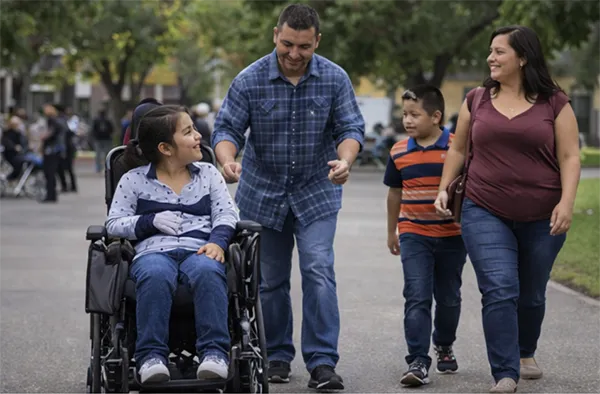
Empowering Workshops for Immigrant Families with Disabilities in Colorado
Workshops for immigrant families with disabilities strengthen community support and help families navigate services. They provide resources, education and advocacy, addressing language barriers and limited access to information. This article outlines Colorado workshops, their community impact, and how families can enroll.
Research underscores the complex challenges immigrant families with disabilities face and the need for culturally sensitive care and advocacy.
Empowering Immigrant Families with Disabilities: Advocacy & Culturally Sensitive Care
This article examines ways to improve health care for immigrant patients with disabilities using an empowerment approach that supports both advocacy and self-advocacy. Immigrants with disabilities face challenges beyond their conditions, including cultural and language barriers, acculturative stress, prejudice, discrimination, and limited financial resources. They also encounter structural, environmental, and process-related obstacles within the health care system. Health professionals can empower immigrant patients with disabilities by providing culturally sensitive services, communicating in their native language, and learning about the Americans with Disabilities Act, the Individuals with Disabilities Education Act, and other federal and state laws that protect their rights.
Empowering immigrant patients with disabilities: Advocating and self-advocating, C Li, 2016
Key Services Offered:
El Grupo Vida offers services for immigrant families with disabilities, including:
Bilingual Resource Center: A space where families access information in their preferred language.
Connection to Specialists: Help connecting families with specialists and community agencies.
Support from Early Intervention to Adulthood: Support from early childhood intervention to adult services.
Exchange Boutique: A service for exchanging gently used items to promote sustainability.
Culturally Responsive Services and Advocacy: Programs meeting cultural needs of immigrant families and providing appropriate advocacy.
Empowering Workshops and Resources:
El Grupo Vida's workshops combine education and community engagement to empower families. Topics include disability rights, special education, and advocacy skills. Resource fairs connect families with information and support networks.
El Grupo Vida invites participation and donations to help sustain programs and strengthen the community.
Community Impact:
Workshops build belonging and peer support; sharing experiences and resources strengthens families' ability to manage challenges. Philanthropic support helps reach more families in need.
What Are Disability Workshops for Immigrant Families in Colorado?
Disability workshops in Colorado provide education, resources, and practical support tailored to immigrant families. They aim to give participants the knowledge and skills to advocate for their rights and access available services.
Types of Workshops Offered:
Workshops are offered in several formats, such as:
Resource Fairs: Events where families can learn about available services and connect with local organizations.
Community Gatherings: Informal meetings that foster community building and support among families.
Educational Workshops: Sessions focused on specific topics, such as navigating the education system or understanding disability rights.
Eligibility Criteria:
Workshops are inclusive and welcome all immigrant families regardless of background. There are no specific eligibility requirements, so anyone in need can attend.
Available Resources for Participants:
Workshop participants can access a variety of resources, including:
Bilingual Resource Center: A hub for information and support in multiple languages.
Connection to Specialists: Guidance on how to connect with professionals who can assist with specific needs.
Support from Early Intervention to Adulthood: Resources that help families navigate the transition from childhood services to adult support systems.
How Do Bilingual Workshops Support Hispanic and Spanish-Speaking Communities?
Bilingual workshops remove language barriers that often block access to vital information and services. Providing materials and sessions in English and Spanish helps families fully participate and benefit from the programs.
Developing bilingual resources is vital, as studies show co-designed materials can help close information gaps for diverse immigrant communities.
Co-Designing Bilingual Resources for Immigrant Families with Disabilities
People with disability from Syrian and Iraqi refugee backgrounds living in Australia have limited access to Arabic-language information and resources. This study used a co-design process to create Arabic-language resources to increase information access and build capacity for people with disability, family members, and service providers. After a rapid literature review on access to supports and services, workshops with 38 people with disability and family members from Syrian and Iraqi refugee backgrounds identified service access barriers. An online bilingual co-design group—six people with disability and family members, six service providers, and four researchers—then developed resource content and formats to address those barriers.
Online Bilingual Co-Design: Developing Resources with People with Disability and Family Members from Refugee Backgrounds, 2024
What Topics Are Covered in Family Empowerment Programs?
Family empowerment programs cover a wide range of topics, including:
Educational Topics: Information on special education rights and resources.
Advocacy Skills: Training on how to advocate for their children's needs within the educational and healthcare systems.
How Can Parents Access Special Needs Training and Disability Support Programs?
Parents can access special needs training and disability support through El Grupo Vida's Bilingual Resource Center. The center connects families to workshops, information sessions, and specialists who can provide tailored support.
What Are the Enrollment Steps for Colorado Disability Workshops?
Enrollment is straightforward. Families can contact El Grupo Vida to express interest. The organisation provides guidance on upcoming workshops and the steps needed to enrol.
Which Community Resources Assist Immigrant Families with Disabilities?
Community resources include a Bilingual Resource Center and local advocacy organisations that help families navigate systems and access services.
Why Is Family Empowerment Important for Immigrant Families with Disabilities?
Family empowerment improves the ability of immigrant families to access services and advocate for their rights. Empowered families are more likely to use services, join community activities, and support one another, which leads to better outcomes for their children.
Empowering families can spark community action and liberation, as shown by successful initiatives among Latino immigrant families.
Empowering Latino Immigrant Families: Community Action & Liberation
Latino immigrant families with children with disabilities experience multiple sources of oppression during settlement in the United States. Unfair social structures and dominant cultural norms contribute to a cycle that is hard to break. This paper presents a case study of how a group of Latino parents, through a community-university partnership, developed empowering community narratives that led to critical awareness and transformative action. Participants reflected on their own stories of oppression, reshaped dominant narratives, and explored contexts for power sharing. That process propelled group members to found a grassroots organisation to address injustices, generating shifts at personal, relational, and collective levels.
A case study of liberation among Latino immigrant families who have children with disabilities, FE Balcazar, 2012
How Do Workshops Promote Disability Rights and Advocacy?
Workshops teach families about their rights and the resources available to them. Participants learn how to navigate systems and how to advocate effectively for their children's needs.
What Success Stories Highlight the Impact of These Programs?
Participants report improved access to services, greater confidence in advocacy, and stronger community connections as a result of these programs.
How Can You Support and Engage with Disability Workshops and Services?
You can support these workshops by volunteering your time or making donations. El Grupo Vida welcomes contributions that help sustain and expand services to more families.
What Volunteer and Donation Opportunities Help Sustain These Programs?
Opportunities include volunteering at workshops, resource fairs, and community events, and making financial donations to support ongoing programs and services for families.
How Does Community Connection Enhance Family Support?
Community connection helps families build relationships with others facing similar challenges. Those ties provide emotional support, resource sharing, and a sense of belonging—essential for navigating disability services.
Frequently Asked Questions
What types of disabilities are addressed in the workshops for immigrant families?
The workshops address a wide range of disabilities, including developmental, physical, and intellectual. They aim to provide tailored support and advocacy strategies so families can find relevant information for their specific needs.
How can families provide feedback on the workshops they attend?
Families can share feedback via surveys given after sessions. El Grupo Vida also holds follow-up meetings where participants can offer suggestions. This feedback helps improve the workshops to meet changing needs.
Are there any costs associated with attending the workshops?
No. The workshops offered by El Grupo Vida are free for immigrant families. Offering services at no cost removes financial barriers and helps more families participate.
How do workshops help in building a support network among families?
Workshops bring families together to share experiences and resources through group discussions and activities. These connections often continue beyond sessions and foster mutual support and collaboration.
What role do community partnerships play in the success of these workshops?
Partnerships with local organisations, schools, and healthcare providers bring extra resources, expertise, and outreach. These collaborations strengthen the workshops and ensure families receive more comprehensive support.
Can families participate in multiple workshops, and how often are they held?
Yes. Families are encouraged to attend multiple workshops to deepen their understanding of disability rights and advocacy. Workshops are held regularly, and schedules are available through El Grupo Vida's Bilingual Resource Center.
What resources are available for families after attending the workshops?
After workshops, families can access follow-up support from specialists, informational materials, and ongoing community events. El Grupo Vida also connects families to local advocacy groups to help apply what they've learned.
Conclusion
Workshops for immigrant families with disabilities in Colorado provide practical resources and peer support that improve quality of life. By taking part, families gain knowledge and advocacy skills to navigate complex systems. Engaging with these programs strengthens individual families and helps build a more inclusive community. Learn how you can get involved and support these important initiatives.


EL GRUPO VIDA
3443 South Galena St, Suite 300
Denver, Colorado 80231
Link
El Grupo Vida
El Grupo Vida supports immigrants with disabilities and their families through culturally responsive services, community connection, and direct advocacy—so every person can be seen, included, and empowered.
Give with love,
support our
cause today.

Copyright 2026. El Grupo Vida. All Rights Reserved. Designed by Tri Cities Marketing Group